Recommendations vary based on stage of chronic kidney disease as well as other factors, like the presence of additional conditions such as diabetes. Individuals with hyperkalemia or Addison’s disease may also benefit from a low-potassium diet. Please be sure to speak with your doctor and/or healthcare team regarding your individual needs prior to making any changes to your current eating habits.
*This 7-day meal plan for a low-potassium diet is only an example. Individual needs vary depending on your underlying medical condition. Please be sure to speak with your doctor and/or healthcare team regarding your individual needs prior to making any changes to your current routine.
Understanding a Low-Potassium Diet and Kidney Health
Potassium is an important mineral that is used to help keep the heart, kidneys, muscles, and nerves working well. The following foods contain potassium:
Fruits
Vegetables
Plant and animal proteins
Dairy products
Salt substitutes like Dash seasonings or NoSalt
Beverages like milk, tea, coffee, alcohol, and fruit and vegetable juices
The Connection Between Potassium and Kidney Disease
When someone has kidney disease, their body has a hard time taking extra potassium out of the blood. Potassium is typically filtered out of the body by the kidneys through the urine. If it’s not removed, potassium levels increase and can cause health complications.
How Potassium Affects Blood Pressure and Overall Health
Eating foods high in potassium can help lower blood pressure. This is possible because potassium may help the body excrete sodium, which can cause high blood pressure. The inverse is also true - sometimes eating too few potassium-rich foods can increase blood pressure. It’s important to consume the right amount of potassium for your specific health conditions to keep your body functioning well. Although potassium is beneficial for blood pressure and overall health, there are some instances where potassium can be harmful.
Why It’s Important to Manage Your Potassium Intake
The body closely regulates potassium levels. Dietary potassium is filtered through your kidneys before being removed in urine. People who have kidney damage or issues may have trouble keeping potassium levels in range. With kidney disease, the kidneys are not as effective at filtering potassium. This potentially leads to too much potassium in the blood (hyperkalemia), especially if you consume regular to excessive amounts of potassium. If you have kidney disease, it’s important to make sure that you are eating and drinking the right amount of potassium-containing foods and drinks.
Key Guidelines for a Low-Potassium Diet
Only start a low-potassium diet if recommended by your doctor. The average recommended daily amount of potassium for adults is 2600 milligrams (mg) for women and 3400 mg for men.
For someone consuming 2600 mg of potassium, a day of eating would look like 2 cups of coffee, half of a large grapefruit, and 2 slices of avocado toast for breakfast; 1 cup of lentil soup at lunch; and a 3-ounce fillet of salmon for dinner. For someone targeting 3400 mg of potassium, a day of eating would include the above foods plus a sweet potato at dinner and an orange for a snack.
Generally, a low-potassium diet limits potassium to less than 2000 mg per day. Your medical provider may give you a different range of potassium specific to you and your health history.
You might find that you are more prone to constipation on a low-potassium diet. Many fiber-rich foods are also high in potassium. Fiber supports healthy bowel movements and reduces constipation. A registered dietitian can help you figure out how to safely increase your fiber intake to ease symptoms of constipation while staying within your potassium limit.
Choosing Low-Potassium Foods and Adjusting Serving Sizes
Low-potassium foods are foods that have less than 200 mg of potassium per serving. Low-potassium foods include olive oil, applesauce, and asparagus. Some examples of low-potassium fruits and vegetables include the following:
1 medium apple or ½ cup applesauce
½ cup berries and cherries
Citrus fruits like ½ grapefruit or ½ cup mandarin oranges
½ cup raw or frozen broccoli
½ cup cooked carrots
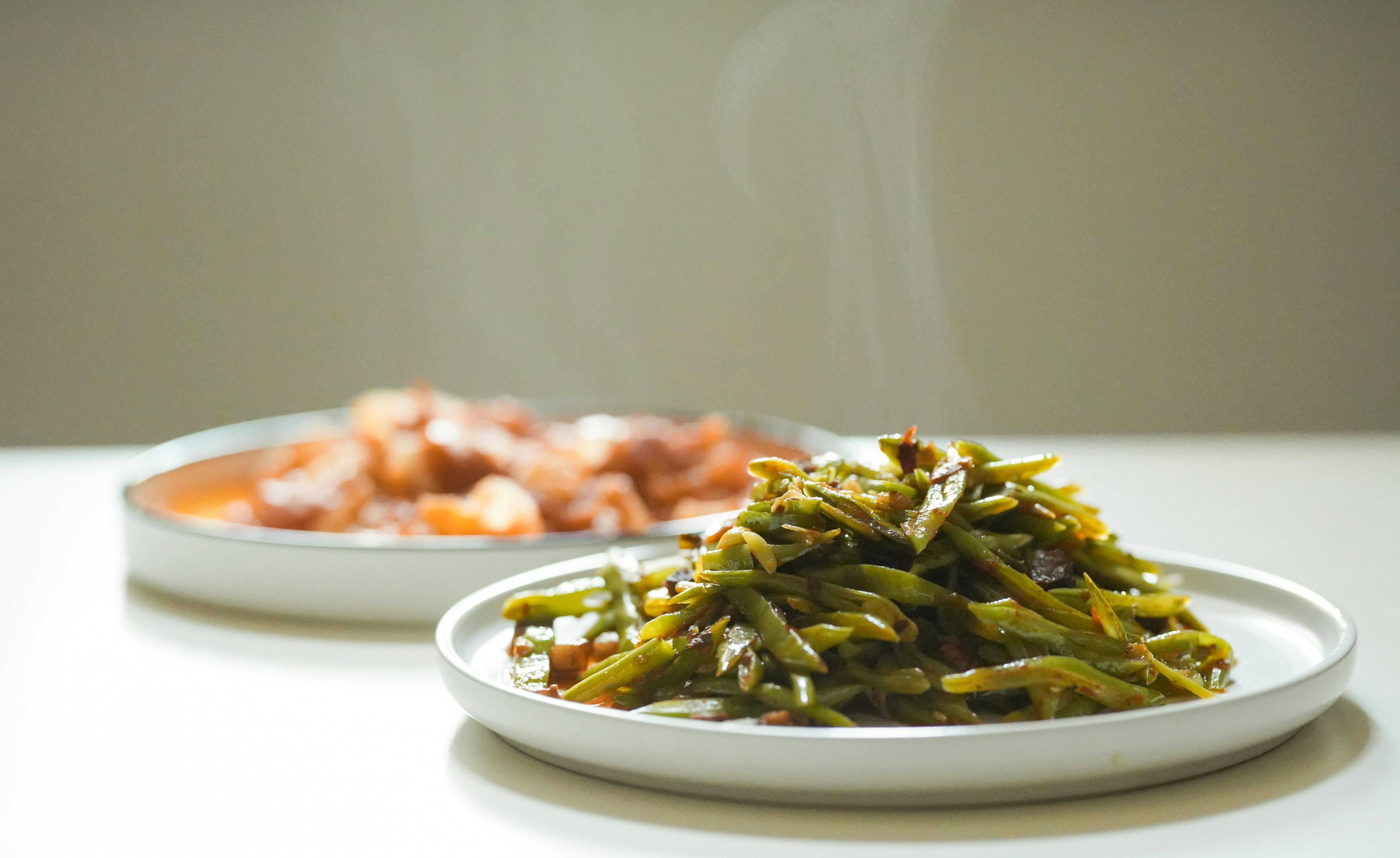
½ cupgreen or wax beans
Yellow and zucchini squash
Portion size is important when eating potassium-containing foods. Some high-potassium foods may be part of a low-potassium diet when eaten in smaller portions. Using measuring cups or scales can help ensure you consume the appropriate amount of potassium for your health needs.
Certain processing methods may alter the potassium content of foods. For example, potatoes are considered a high-potassium food. However, thinly slicing and then soaking or boiling the potatoes reduces their potassium content. Still, it is essential to be mindful of the portion sizes. A Season registered dietitian can help you choose appropriate low-potassium foods that fit your budget and dietary preferences and provide tips for keeping your potassium within check.
Avoiding High Potassium Foods: What to Watch Out For
High-potassium foods have more than 200 mg of potassium per serving. Examples of potassium-rich foods include avocados (975 mg for one avocado), sweet potatoes (541 mg for a medium sweet potato), and kidney beans (600 mg of potassium for 1 cup canned kidney beans).
If your favorite foods fall on the high-potassium list, you can still enjoy them in moderation! Preparation is key - try to prepare most of your foods by soaking them, cooking in water, or using a pressure cooking or microwave oven. It may also be helpful to cut them into smaller pieces while cooking to help decrease the potassium level.